
Air Quality
So-called "wildfire season" is here.


Well, here we are. The first day of air quality dangerous enough to drive everyone indoors to stay safe. Each year, the start of wildfires extensive enough to lead to dangerous air quality seems to start earlier. Climate change has tremendous impacts on human health, with exposure to poor air quality being one of the most acutely noticeable. Let’s dig into what this means for your and your family.
Air Quality
Air quality is a measure of the pollution that is suspended in the air. There many things that cause poor air quality, including vehicles, homes, and other use of fossil fuels. Of course, wildfire smoke also contributes to poor air quality.
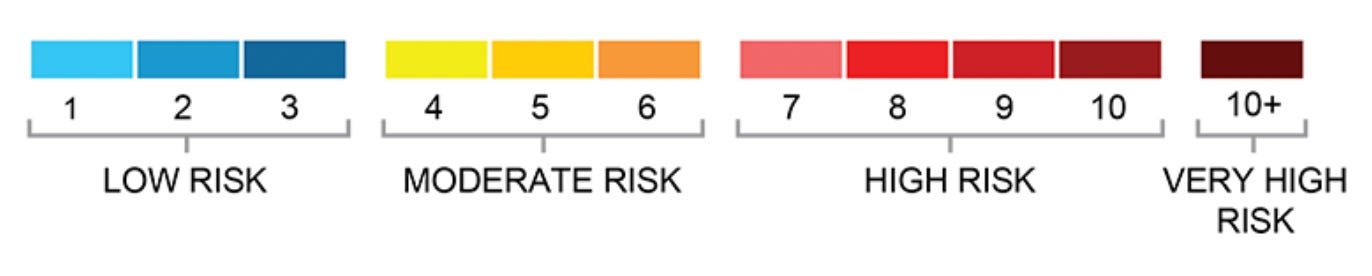
There is a scale called the Air Quality Health Index (AQHI) that ranges from 1 to 10+ that measures how polluted the air is. An AQHI of 1 indicates low air pollution, whereas 10+ indicates a lot of pollution in the air.
Health Effects of Poor Air Quality
Studies show that poor air quality leads to increased ER visits due to difficulty breathing (which makes sense), but even strokes and heart attacks because of the complex effect that poor air quality has on body systems.
There is also good evidence to show that, over a lifetime, exposure to air pollution can actually decrease life expectancy.
Symptoms of Acute Exposure
As the AQHI becomes higher (poorer air quality) we can start to become acutely symptomatic. The main symptoms are respiratory, like coughing, throat irritation, wheezing and difficulty breathing. People can also experience irritation of the eyes and nose as well as headaches.
Populations at Highest Risk
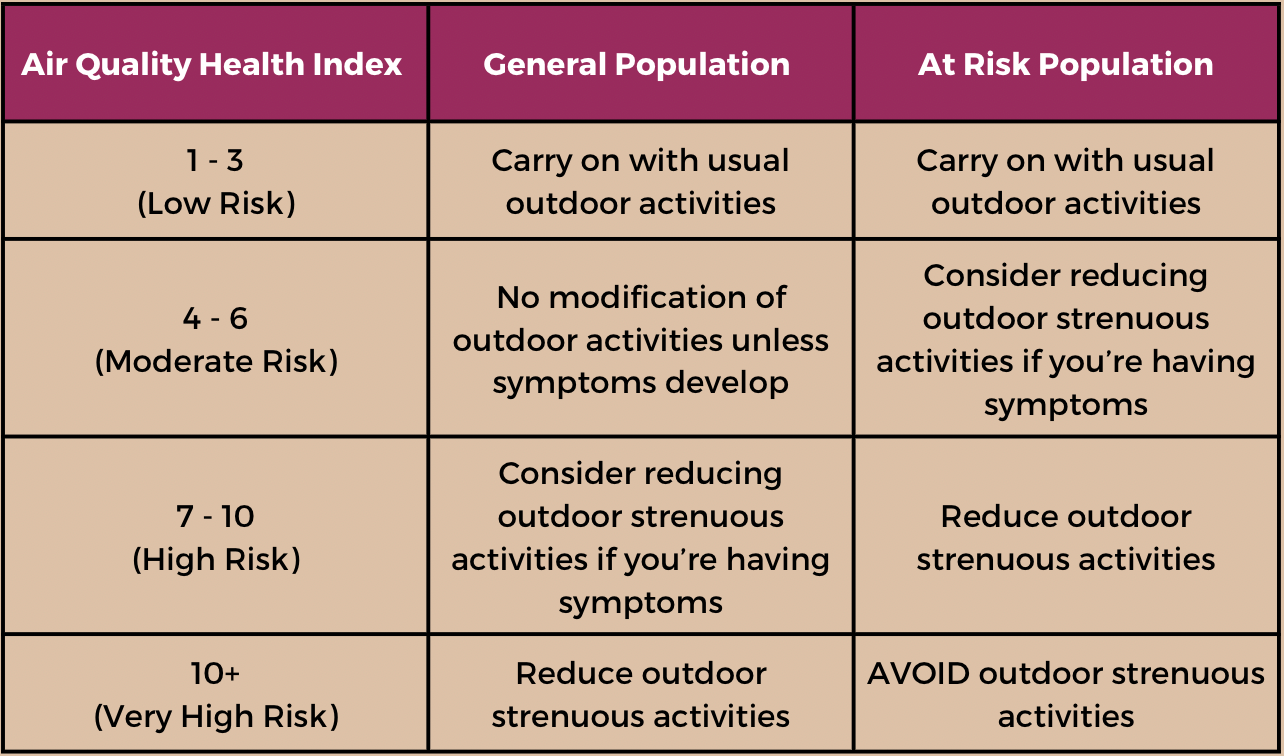
There are several populations who are at higher risk when it comes to exposure to air pollution. These populations should avoid time outdoors at lower AQHI levels compared to the general population, because they are at greater risk of complications:
young children
elderly
people who are pregnant
those with underlying lung disease
those with underlying heart disease or diabetes
How to Protect Yourself & Your Family
It’s important to monitor the AQHI in real time as well as the forecast. I have found the Purple Air website most accurate, because it shows real time measurements from people who have air quality meters (I have no affiliation with Purple Air). Environment Canada also publishes AQHI levels as well as forecasts.
AQHI can change very quickly, so it’s important to monitor for any symptoms and go indoors if you develop any. Limit or avoid any strenuous exercise outdoors during times of moderate to high AQHI (or if you develop symptoms), and if you do need to spend time outdoors during high AQHI levels, wear a well-fitted N95 respirator mask. If possible, consider using an air purifier indoors as well.
When to Seek Medical Attention
If you have difficulty breathing, chest pain, dizziness or lightheadedness, weakness, or any other concerning symptoms that don’t immediately improve when seeking shelter indoors, it’s important to see a doctor right away.
All information presented on Dr. Shazma Mithani’s website, social media pages, blog, newsletter, media/podcast interviews, or any other platforms are for educational purposes only and should not be taken as personal medical advice. These resources are to educate and should not replace the medical judgment and evaluation of a licensed healthcare provider who is evaluating a patient.
It your responsibility to seek appropriate medical attention when you are concerned about yourself or your children/family.
All opinions are my own and do not reflect the opinions of my employer, organizations, or hospitals that I may be affiliated with.
By using this site, you acknowledge the above statement and understand the information on this website is not medical advice. You will seek out care from a licensed healthcare provider for any medical question you have about yourself or a family member.